
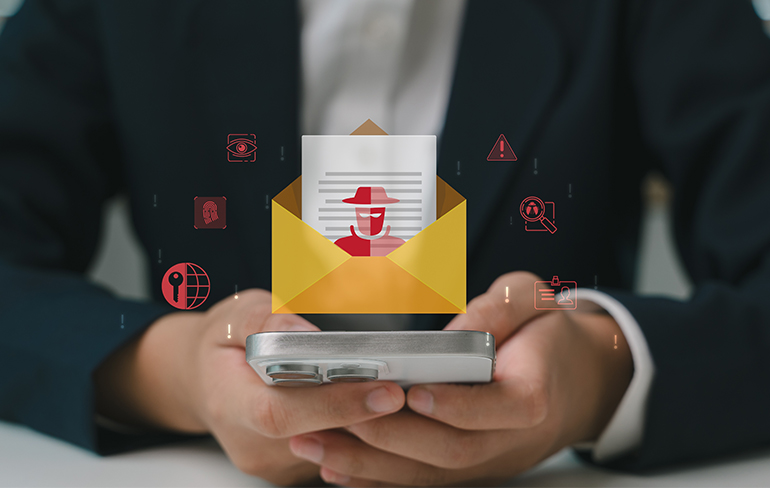
“Your benefits enrollment expires today. Click here to keep your coverage.”
Open enrollment is a busy time for employees. Plan materials, meeting invitations, deadline reminders, and enrollment links can all arrive within a short period of time. A phishing message can easily blend into that activity, especially when it uses a familiar name and creates a sense of urgency.
A message claiming immediate action is required can pressure employees to click a link or enter personal information and account credentials before they stop to verify where the message came from. Here are a few ways employers can make the legitimate enrollment process easy to recognize before enrollment begins:
- Identify the official enrollment site: Give employees a reliable starting point, such as an HR hub or benefits guide, that they can access without searching through emails.
- Clarify who will contact them: Explain whether enrollment messages will come from HR, a carrier, or a benefits partner, and what employees should expect from those communications.
- Keep the real deadline visible: If an unexpected message claims immediate action is required, employees should have an easy way to verify the actual enrollment deadline.
- Provide a familiar help contact: Tell employees whom to contact about a suspicious message and how to report it, even if they have already clicked.
Employers can reinforce these details in each enrollment reminder. Using the same website, deadline, and help contact throughout the campaign gives employees a familiar reference point when a suspicious message arrives.
This Cybersecurity Awareness Month, take another look at your open enrollment communications. If employees can quickly find the correct site, deadline, and contact, they will be better prepared when a message in their inbox does not add up.